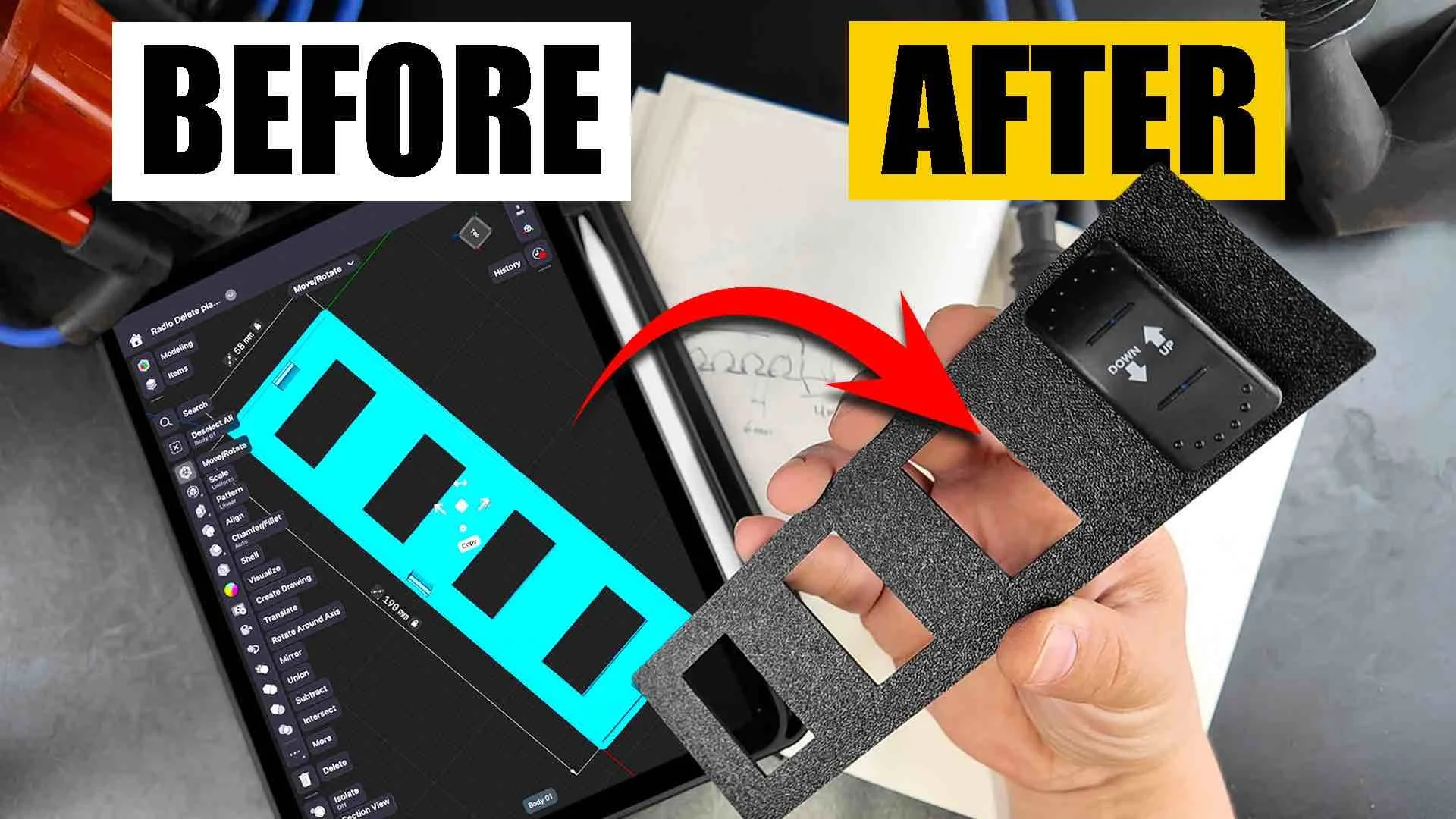
BEST 3D PRINTER FOR CAR PARTS

With so many entry level 3D printers to choose from, lets review what you need to consider before buying your next 3D printer for making custom car parts…
🏆 Best 3D Printers for Automotive Parts (2026 Update)
| Rank | Printer | Quick Specs | Link |
|---|---|---|---|
| 🥇 | Elegoo Centauri Carbon | Enclosed · Hardened Steel Hotend · Budget pick | See Details → |
| 🥈 | Bambu Lab X2D | Enclosed · Dual Nozzle · Heated Chamber · AMS compatible · Multi-color | View Specs → |
| 🥉 | Bambu Lab H2S | Enclosed · Heated chamber · Larger build plate · AMS compatible · Multi-color | Check Price → |
SO IS IT POSSIBLE TO 3D PRINT CAR PARTS?
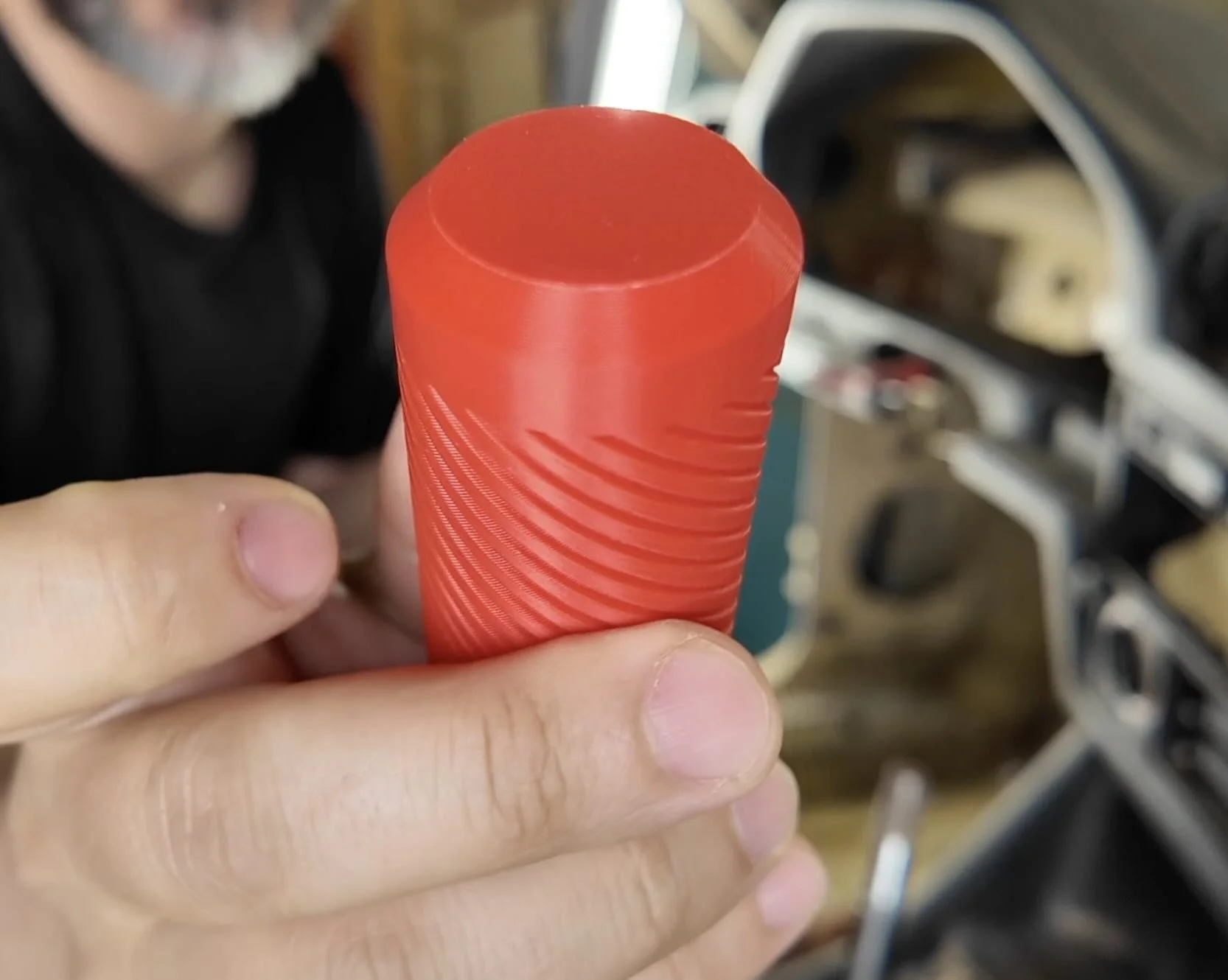
For DIYer’s looking to 3D print at home, 3D printed car parts are 100% possible to print; from interior dashboard accessories, custom gauges, and even trim pieces.
Other car parts like fuse covers, plastic clips, or other plastic replacement engine bay parts are perfect for 3d printing as well.
You can even 3d print engine bay parts as long as they don’t get too close to excessive heat.
HOWEVER, BEFORE YOU BUY A 3D PRINTER, FILAMENT IS HIGHLY IMPORTANT…

Testing PLA vs ABS vs PETG 3D Printed Car Parts In Sun
WHAT IS THE BEST MATERIAL FOR 3D PRINTING CAR PARTS?
BE AWARE… Commonly used PLA filament will NOT work for 3D printed car parts. You’re going to need filament that’s won’t melt on a hot summer day inside your car.
PLA MAY BE A POPULAR CHOICE, BUT IT’S SUSCEPTIBLE TO HEAT...
On only a 50 degree Fahrenheit day during our tests, PLA started to sag inside a sunny and warm car.

BMW E30 3d Printed PLA Custom Vent Gauge Sagging
Instead of PLA, you’ll want to try 3D printing car parts with filaments like ABS.
ABS can withstand heat up to 80-87c or 176-188 degrees Fahrenheit.
PETG can only withstand up to 65-69c or 149-156 degrees Fahrenheit.
ASA/PC can withstand heat above 100c or 212 degrees Farhenheit.
💡PRO TIP: If you need additional heat resistance check out ASA, PC, or carbon fiber reinforced nylon filaments. Be careful to check for water absorption rates too. I created a filament selector tool to help you pick the best filament for your next car part.
WHAT IS THE BEST 3D PRINTER FOR CAR PARTS?
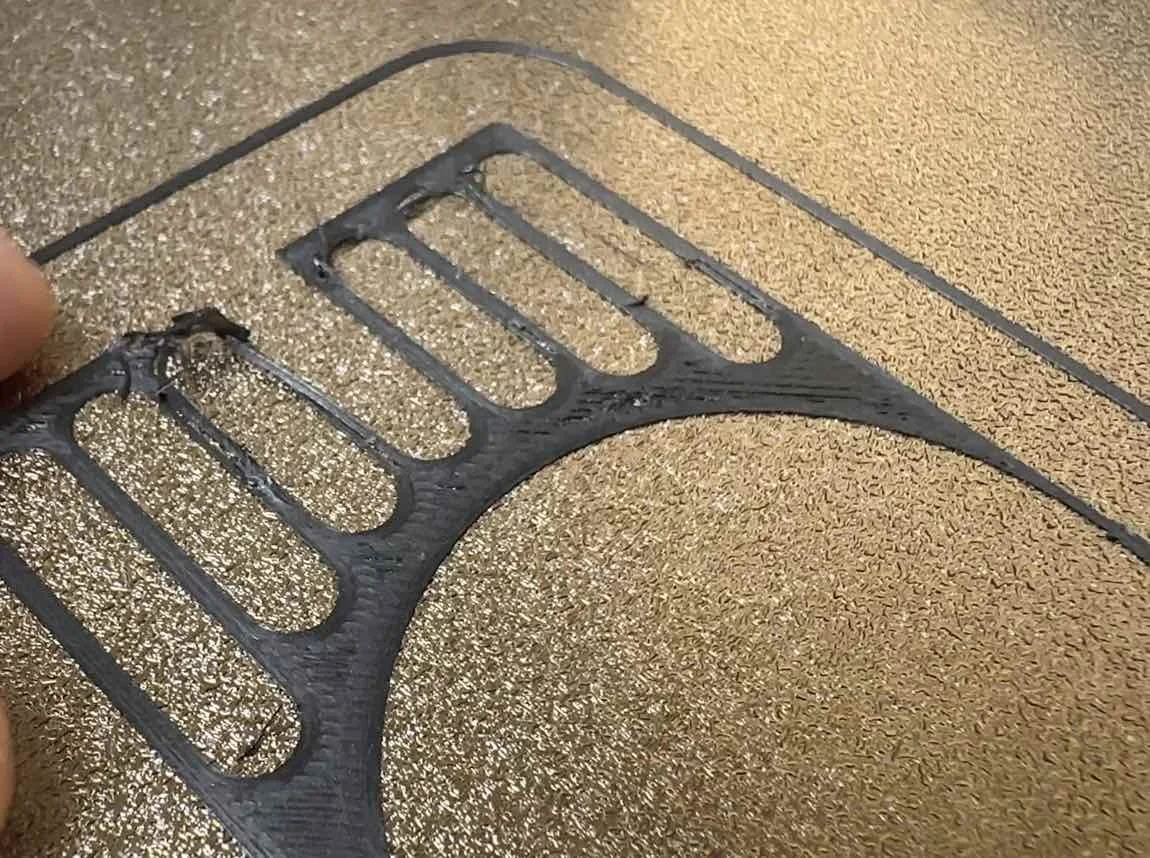
ABS and other types of higher heat resistant filaments require a printer that can handle higher heat settings.
Another challenge is warping of your 3d printed part during the 3d printing process.
WHEN LOOKING FOR A 3D PRINTER, GET ONE WITH AN ENCLOSURE…
The enclosure will help maintain heat within the confines of the object being printed which reduces warping.
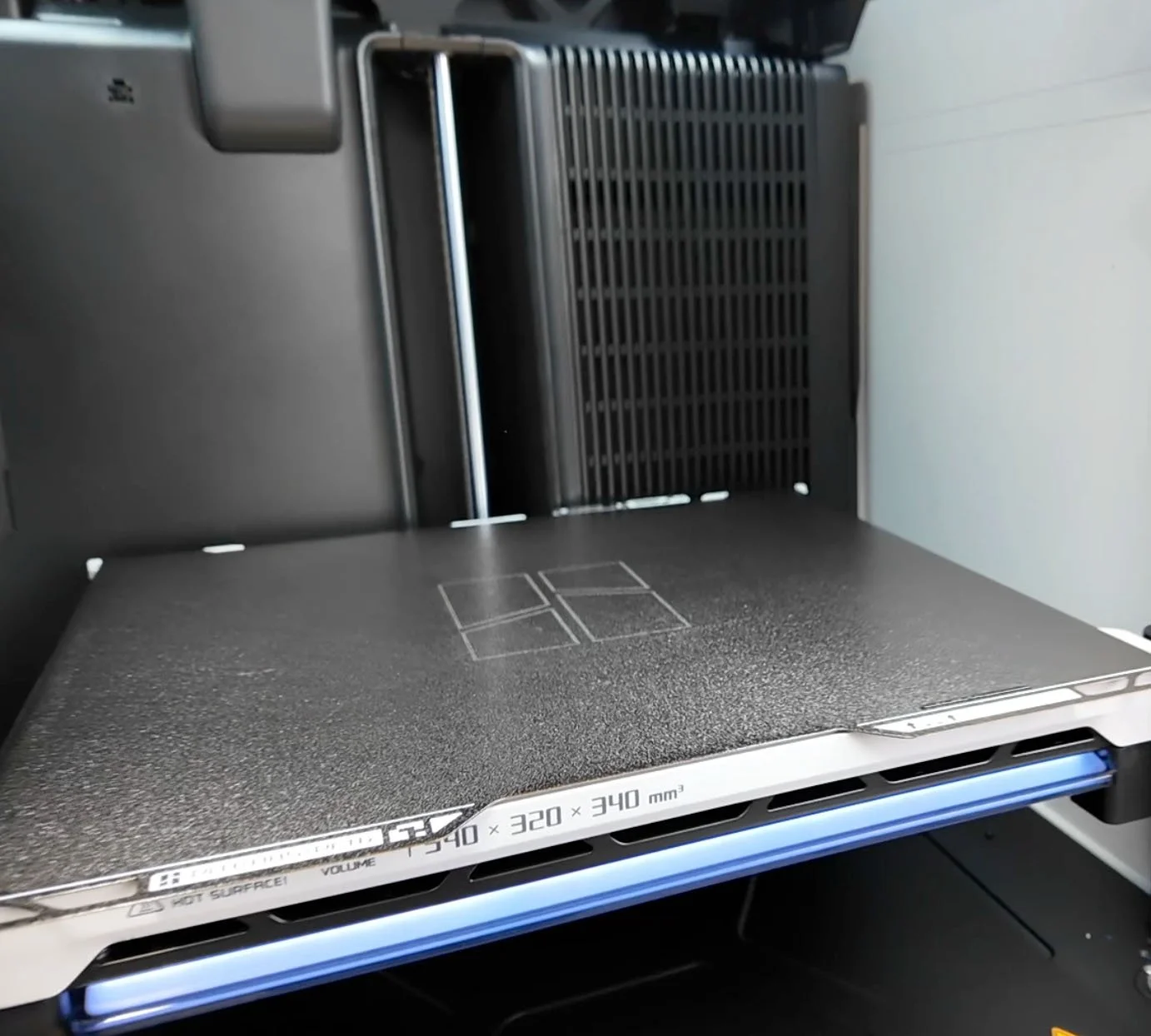
BE CAREFUL, some filaments are extremely toxic, so an enclosure can also help redirect and filter toxic fumes too.
Two of the best printers you can buy for 3d printing car parts in your garage are the Centauri Carbon vs the larger Bambu Lab H2S.
Both come with an enclosure and can print high end filament like ASA.
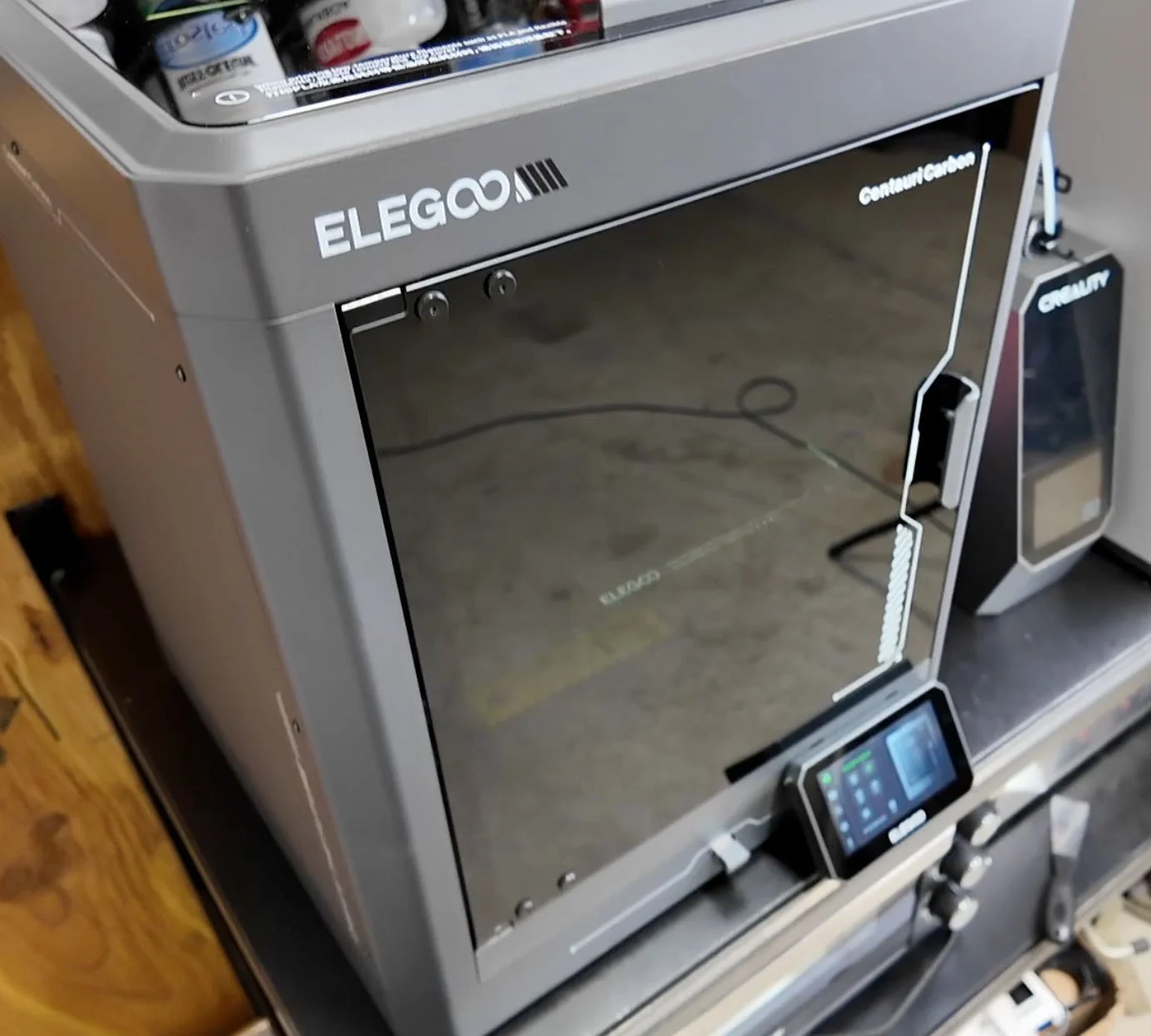
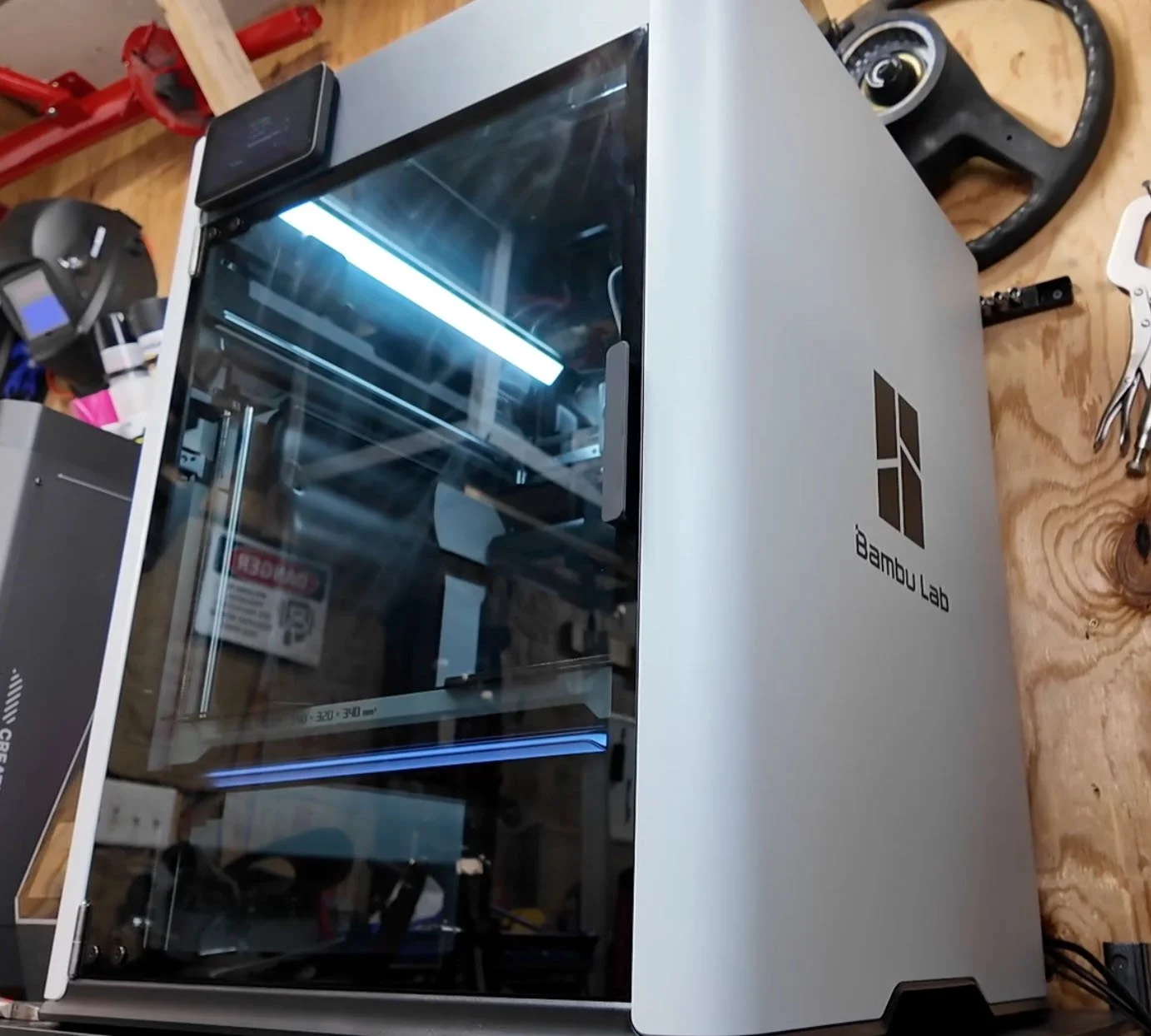
Here’s some key differences between the Centauri Carbon and the Bambu Lab H2S:
HOW LONG DOES IT TAKE TO 3D PRINT A CAR PART?
Bambu Lab and the Elegoo Centauri Carbon are fast when it comes to print speed.
3d printers a few years ago at topped out around 100 mm/s meaning both the newer Bambu Lab and Elegoo printers can print items 5x the speed.
These printers can print at speeds of 500-600 mm/s with the supported filament.
Print time will also depend on how large your part is, but expect anywhere from 30 minutes to 10 hours.
Having the right setup is half the battle…
The other half is finding pre-made car part models you can actually 3d print.
So I made a free car parts starter pack — 8 ready-to-print car part STLs plus the exact print settings that held up on my BMW E30 outdoor heat test.
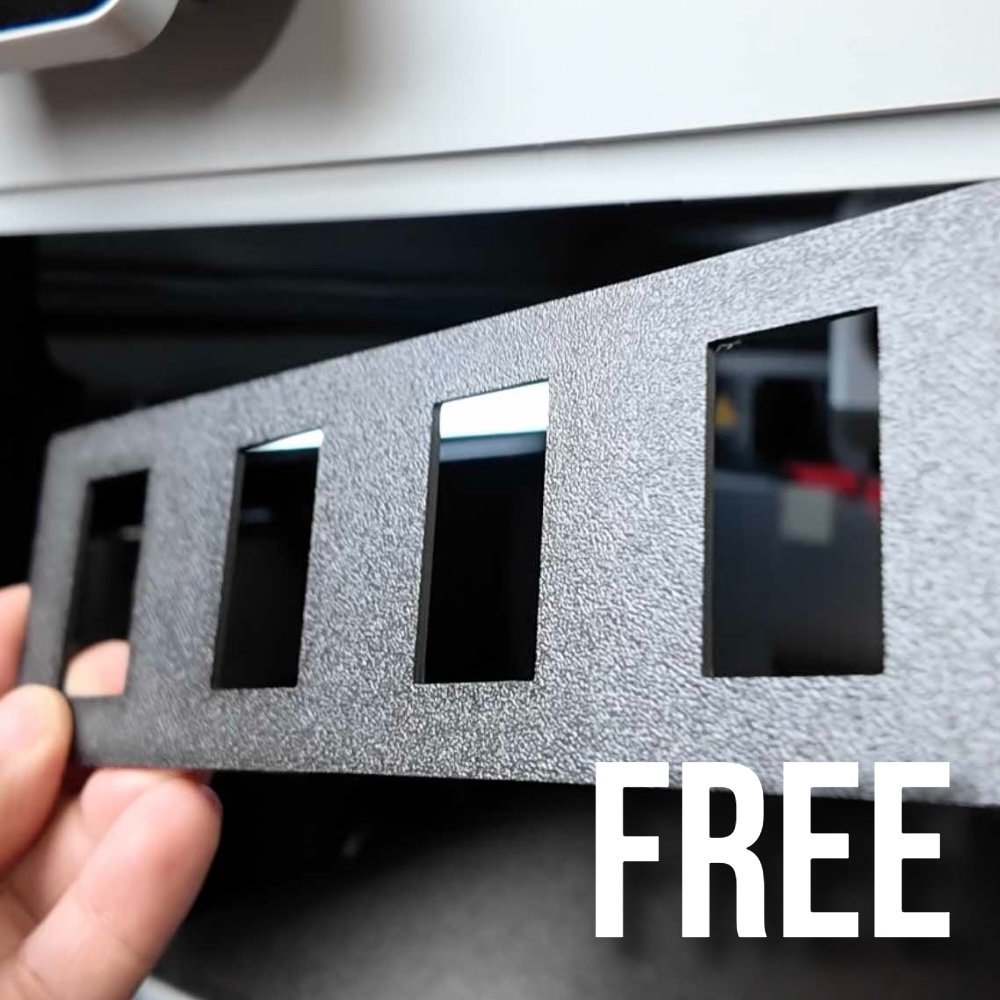
Sent straight to your inbox.
The Runner Up…
The next best 3d printer for car parts after the budget Centauri Carbon is the new Bambu Lab X2D.
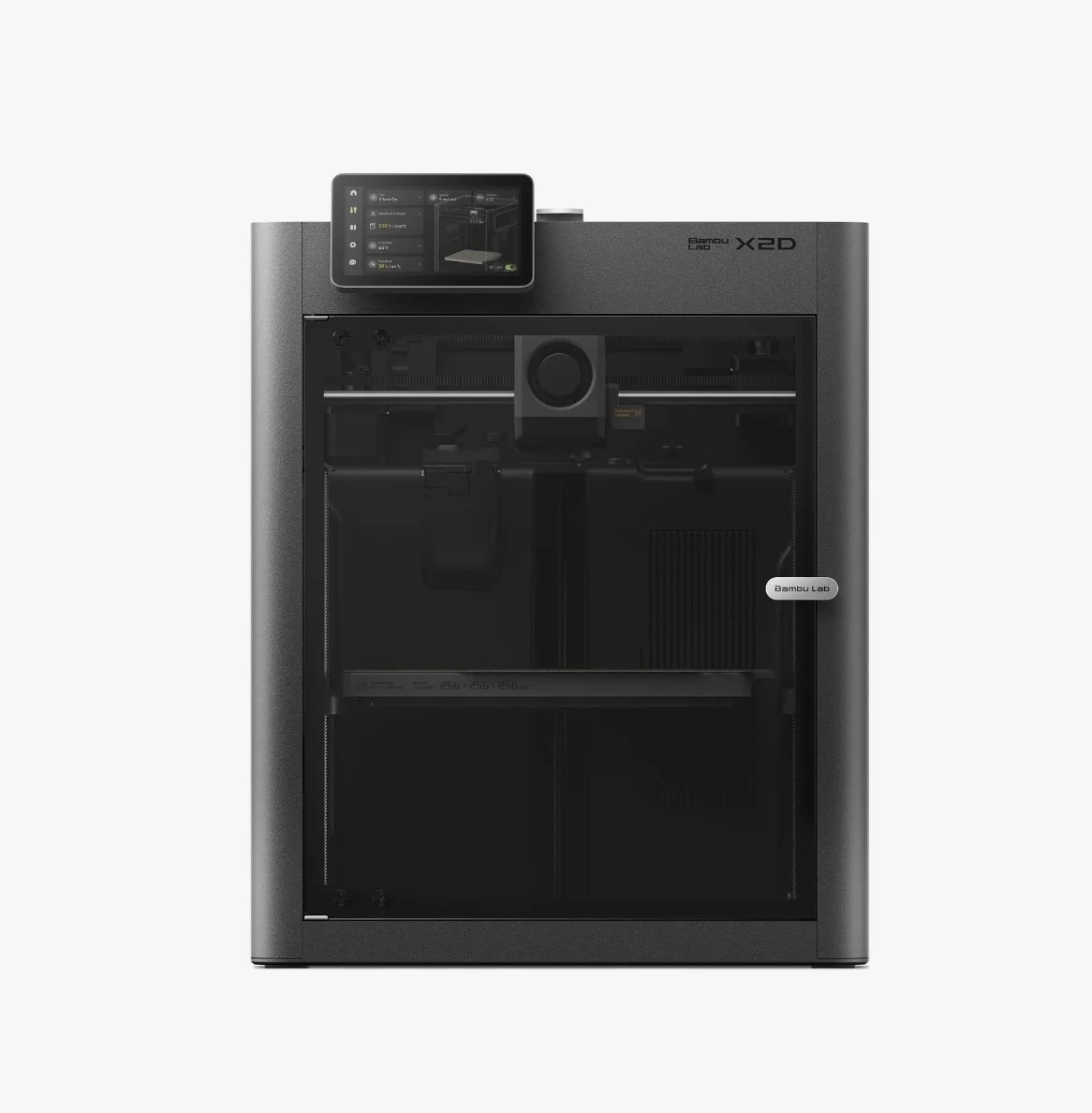
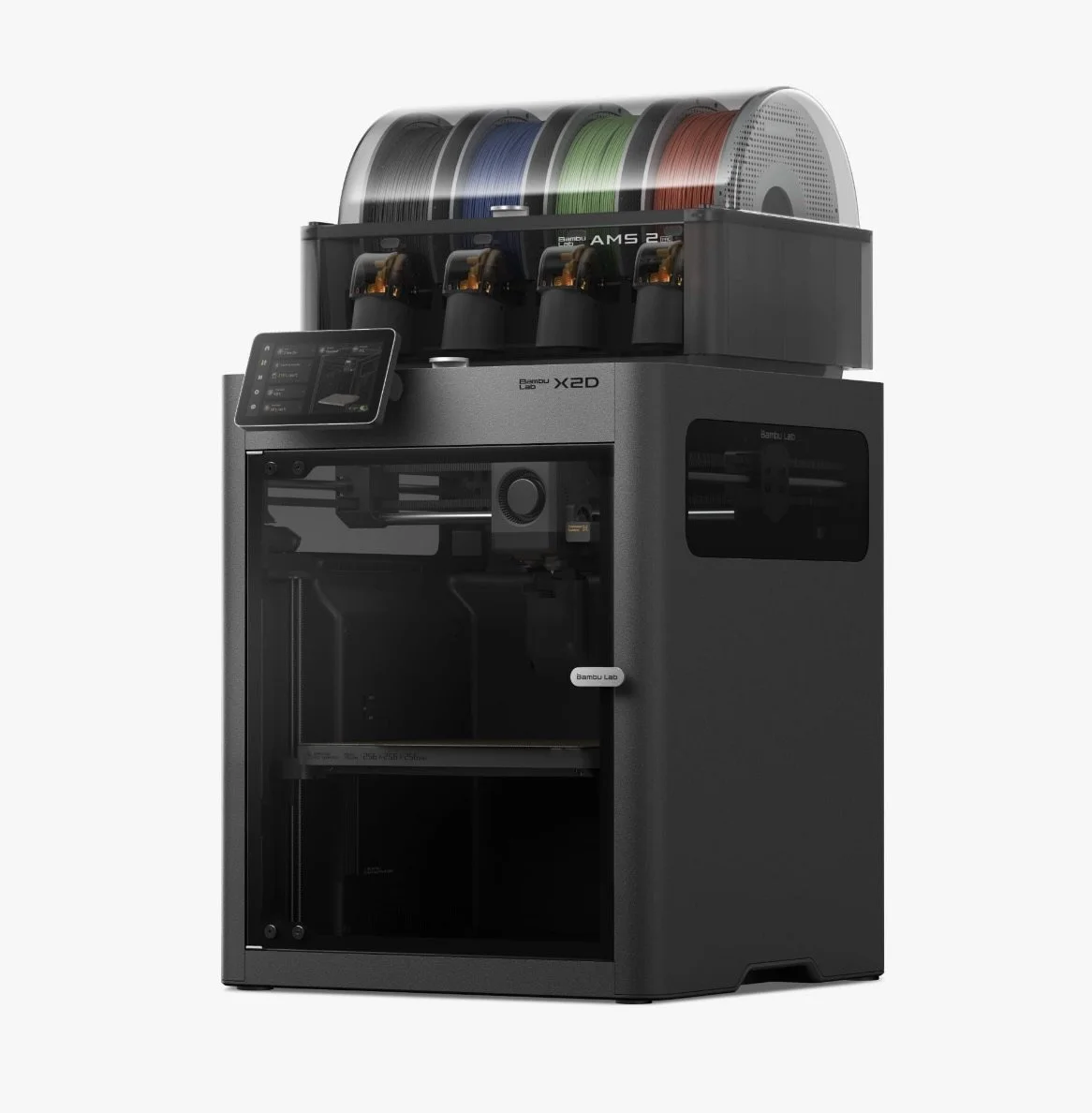
It’s also an enclosed 3d printer with hardened steel parts.
But for a few hundred bucks more than the Centauri Carbon it includes a dual nozzle setup.
Plus the X2D has a heated chamber. Meaning you can 3d print with higher end filaments along with support material for clean breakaway.
The X2D prices comes in at around an average of $649 without an AMS Unit. That’s a little over $330 more than the Centauri Carbon.
And if you want to 3d print your ASA car parts in multiple colors you can also get the X2D with an AMS for around $899.
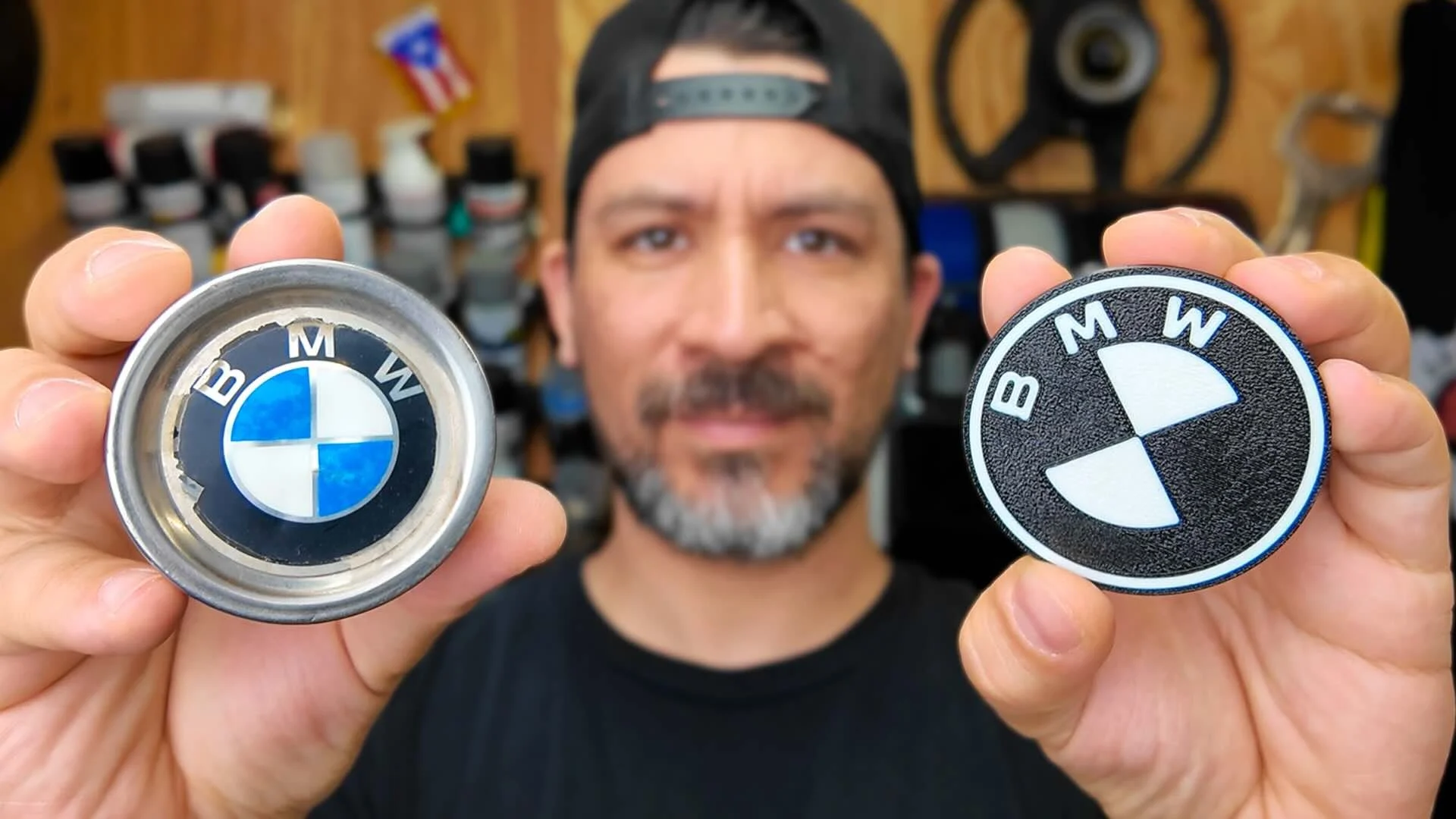
But these aren’t the only contenders…
With dozens of other 3d printers to choose from, finding the right one for 3d printing car parts can be challenging.
So I put together this tool to help you pick the best one:
And if you’re having a hard time finding the exact car parts you want to print… Then we have just the thing for you ⤵️
Design 3d Printed Car Parts That Match Your Exact Build.
One afternoon. No complex software. Parts that fit your build perfect.
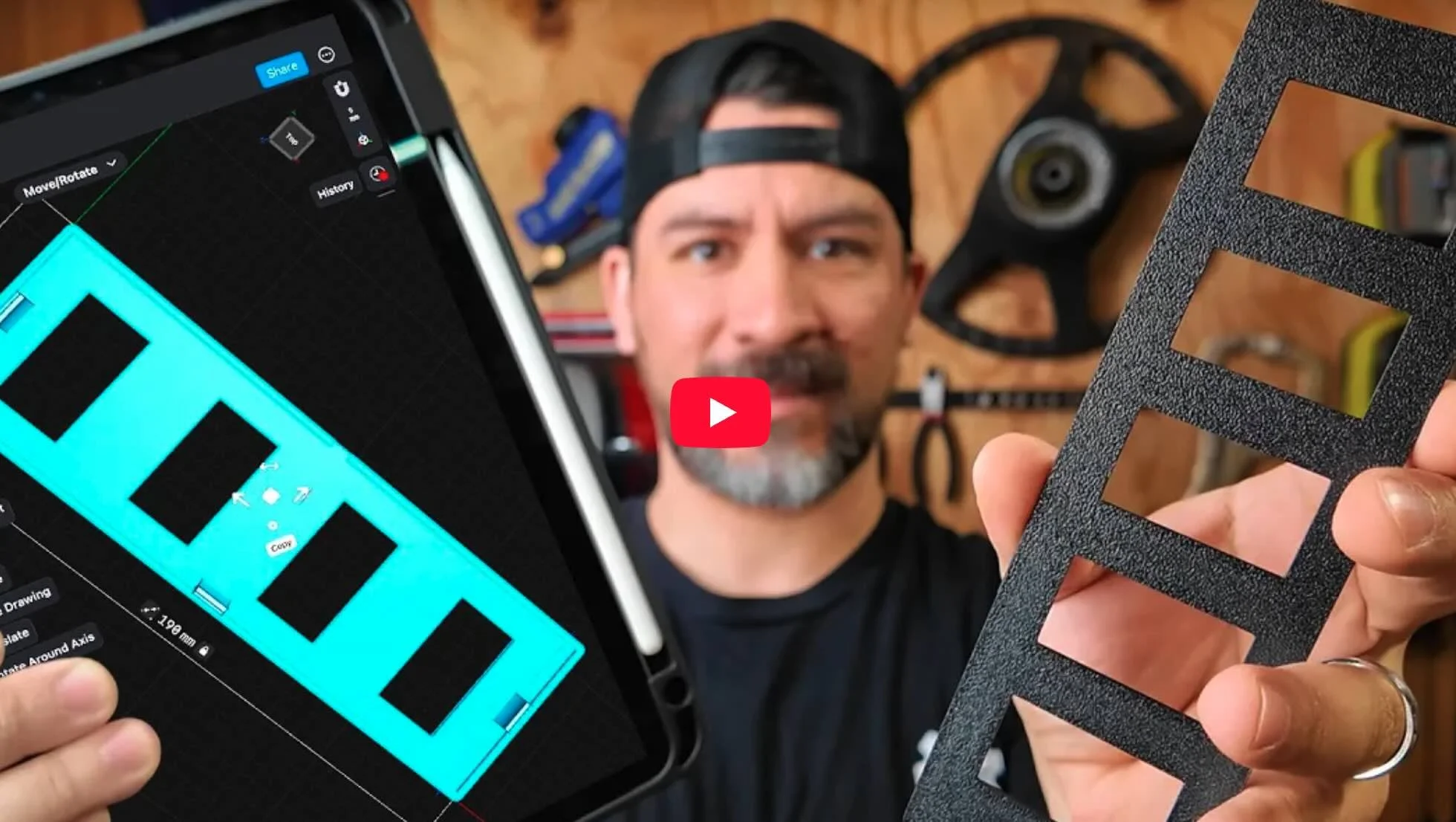
Instant Access, Risk Free Money Back Guarantee
LEARN MORE…